

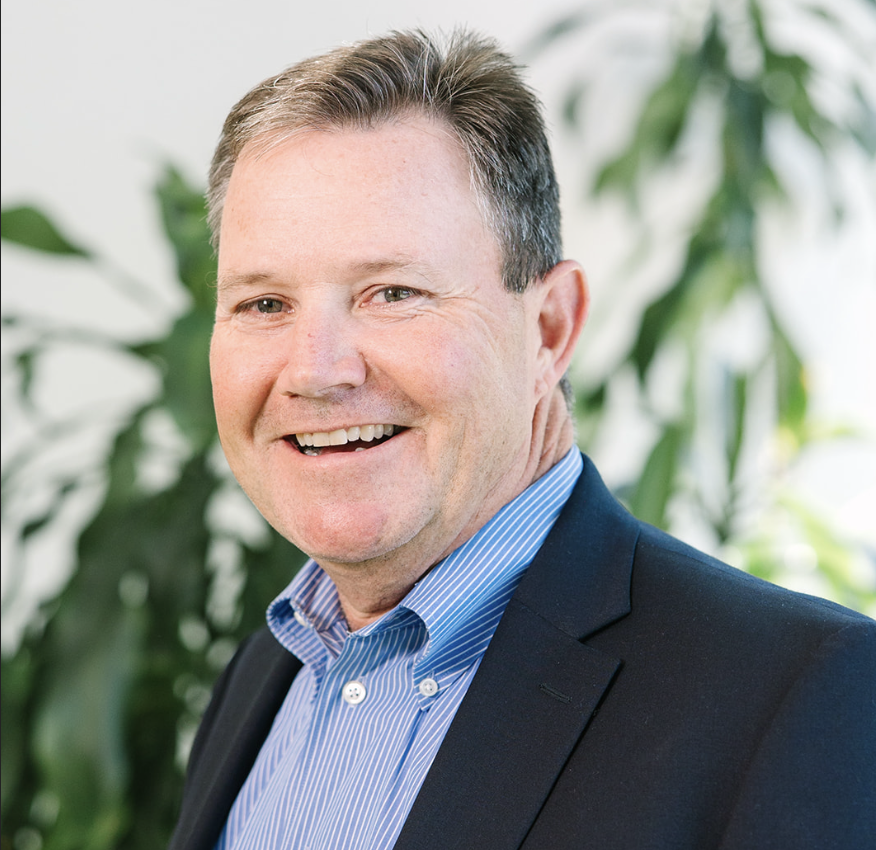
Daniel C. Gifford is the retired Chief Financial Officer of Bold Penguin where he served on the senior leadership team and was responsible for accounting, finance, human resources, and M&A due diligence.
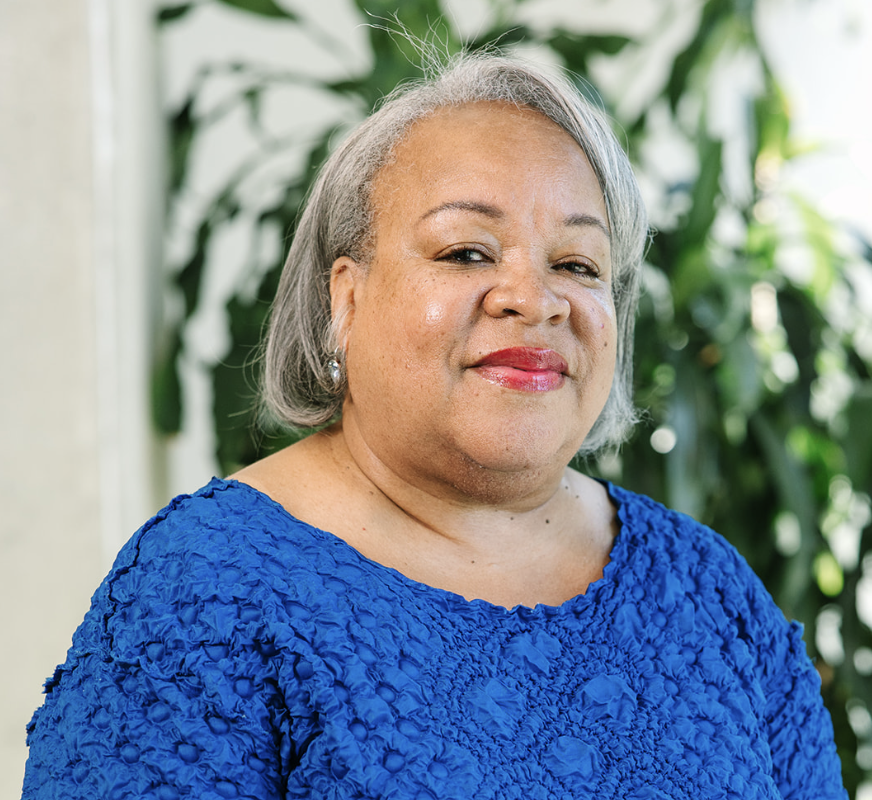
Charlene is the Owner and Principal Consultant of CM Hayes LLC, a national human capital consulting practice focused on providing a wide range of human resource services primarily to mission-driven, nonprofit organizations.
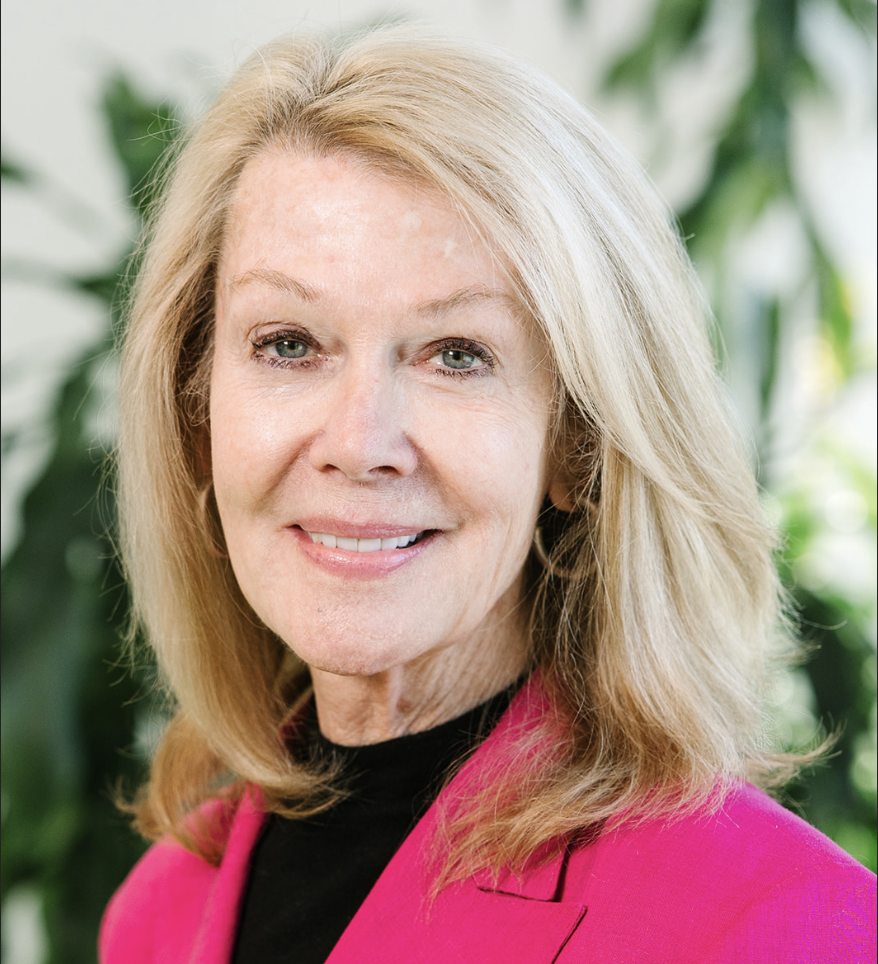
A lawyer and academic with more than 40 years’ experience in academic leadership, Ms. Cannon has consulted with more than 40 educational institutions on issues related to accreditation, student learning and achievement, governance, innovation, global learning, and organizational change. She was one of the founding members of Minerva University when IT was established in 2012 and led the University as its Founding President until 2023.
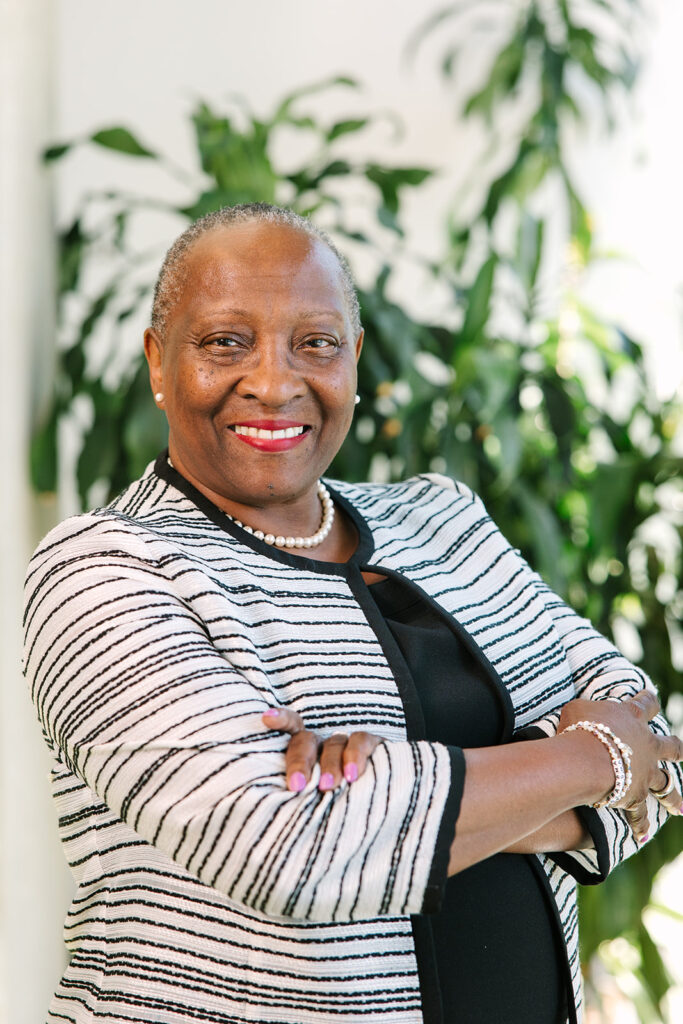
Theresa Harris is the Chief Strategist at TMH $trategies. TMH $trategies focus on profitability, growth, scalability, and sustainability. Through consulting, advocacy, and investment, we help organizations thrive, making a lasting impact and supporting long-term success.
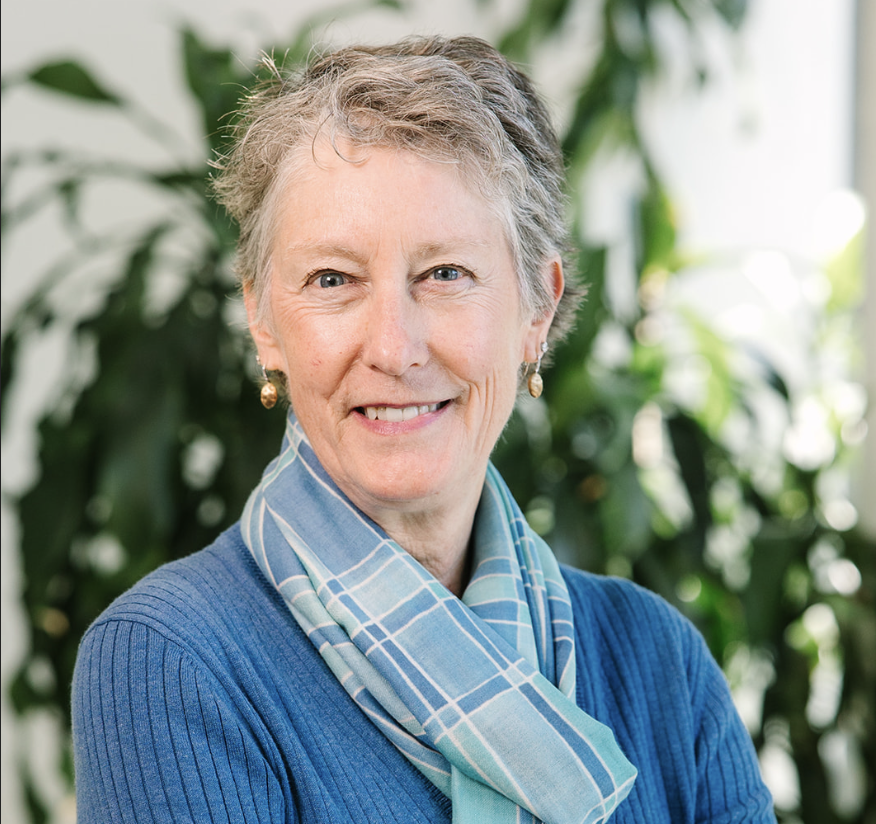
Holiday Hart McKiernan, JD, is the retired Executive Vice President, Chief Operating Officer, and General Counsel of the Lumina Foundation, where she oversaw operations, legal affairs, and board governance.
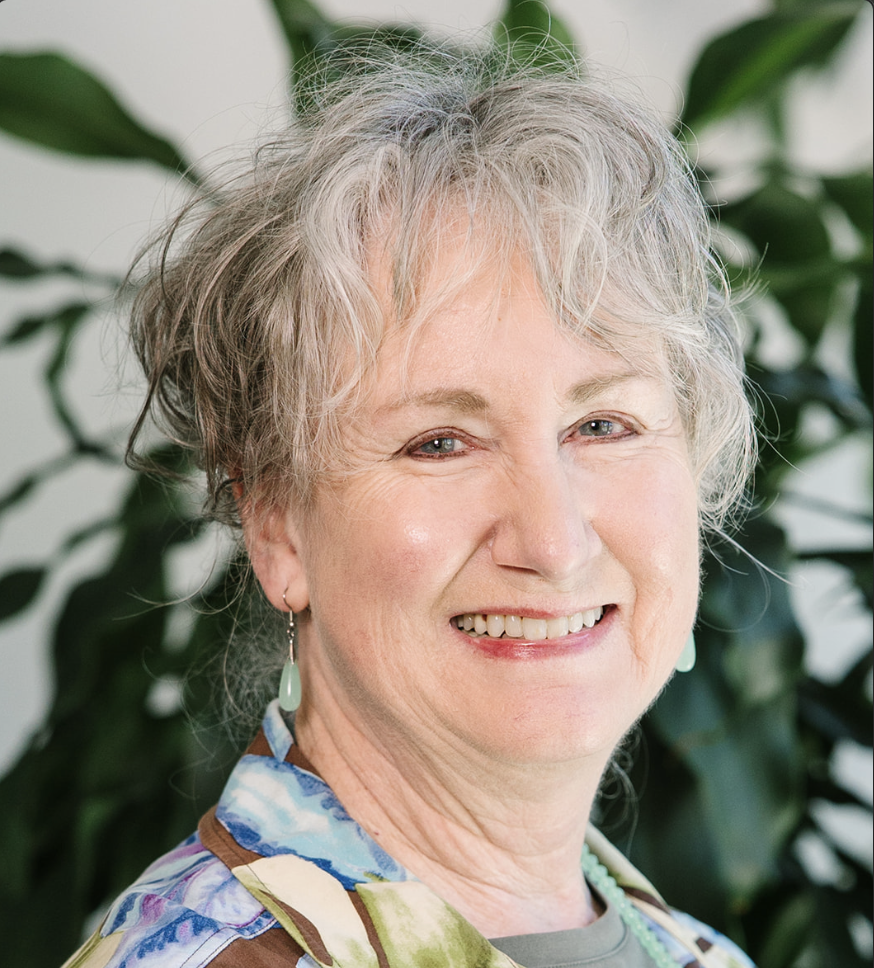
Sally M. Johnstone, PhD, has focused her career on improving the quality, accessibility, and affordability of post-secondary education for adults throughout her career.
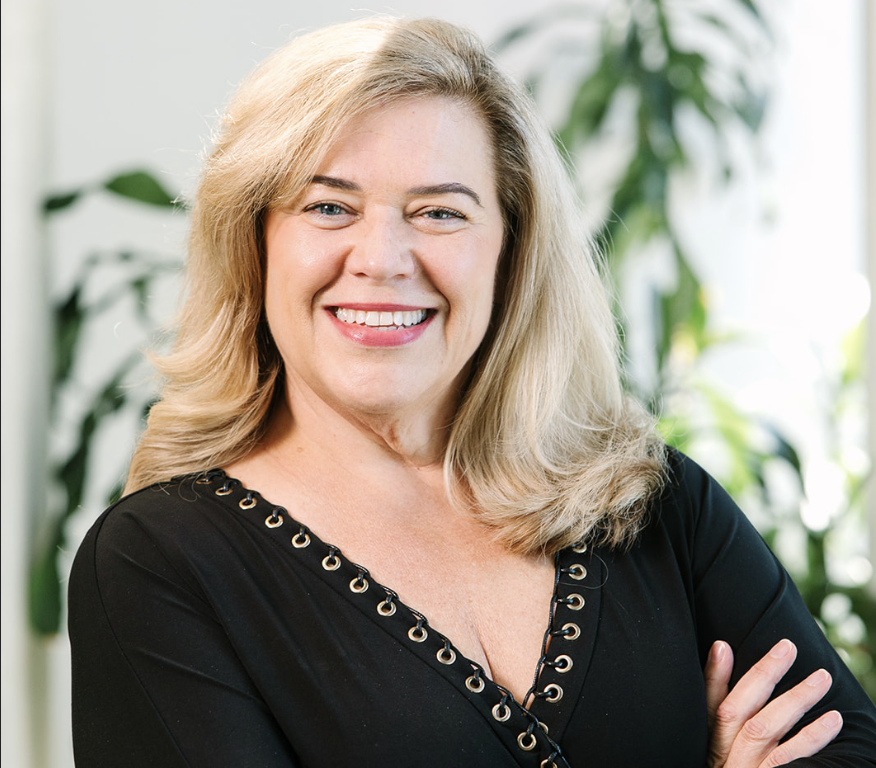
Tammy Roberts Myers is a nationally recognized leader in communications, crisis and reputation management, trusted by global brands, public figures and nonprofits to guide them through their most high-stakes moments.
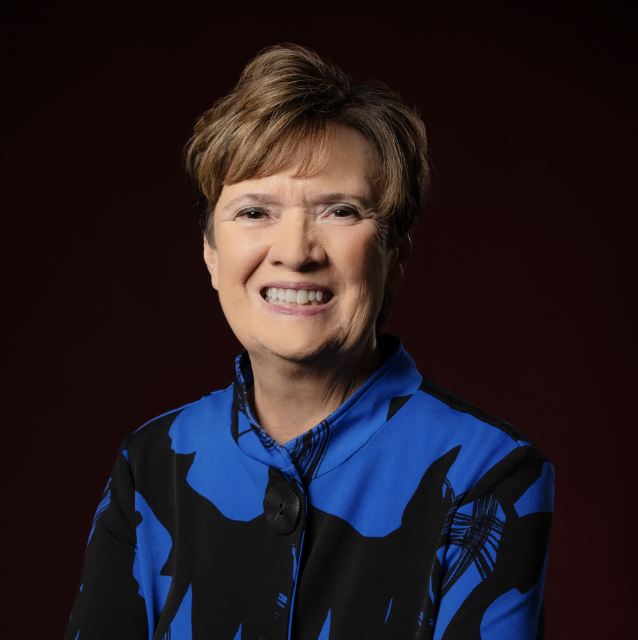
Lynn Pasquerella was appointed president of the American Association of Colleges and Universities in 2016, after serving as the eighteenth president of Mount Holyoke College.
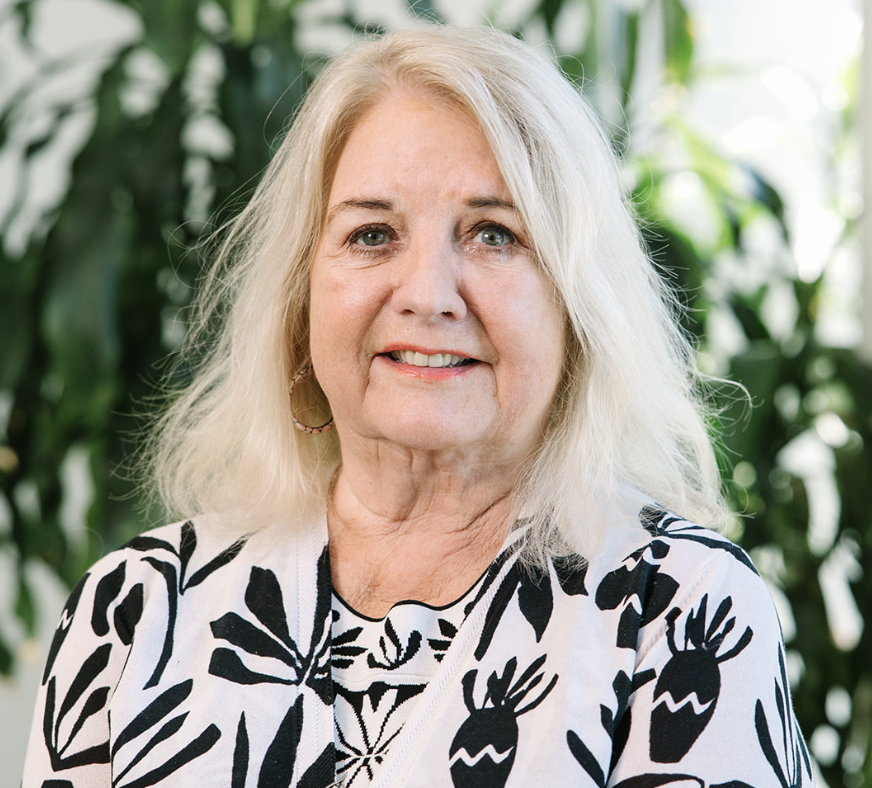
Peggy Ruhlin has been recognized as one of America’s most distinguished women in wealth management, and was the recipient of the 2017 Alexandra Armstrong Award for lifetime achievement.

“The Coalition for the Common Good was developed as a model that allows universities to move from being competitors to collaborators to better serve students and our communities while preserving their own institutional identities and cultures.
Moreover, as a national system the Coalition will be better positioned to address the needs of industry in our states and nation providing accessible and affordable workplace education.”
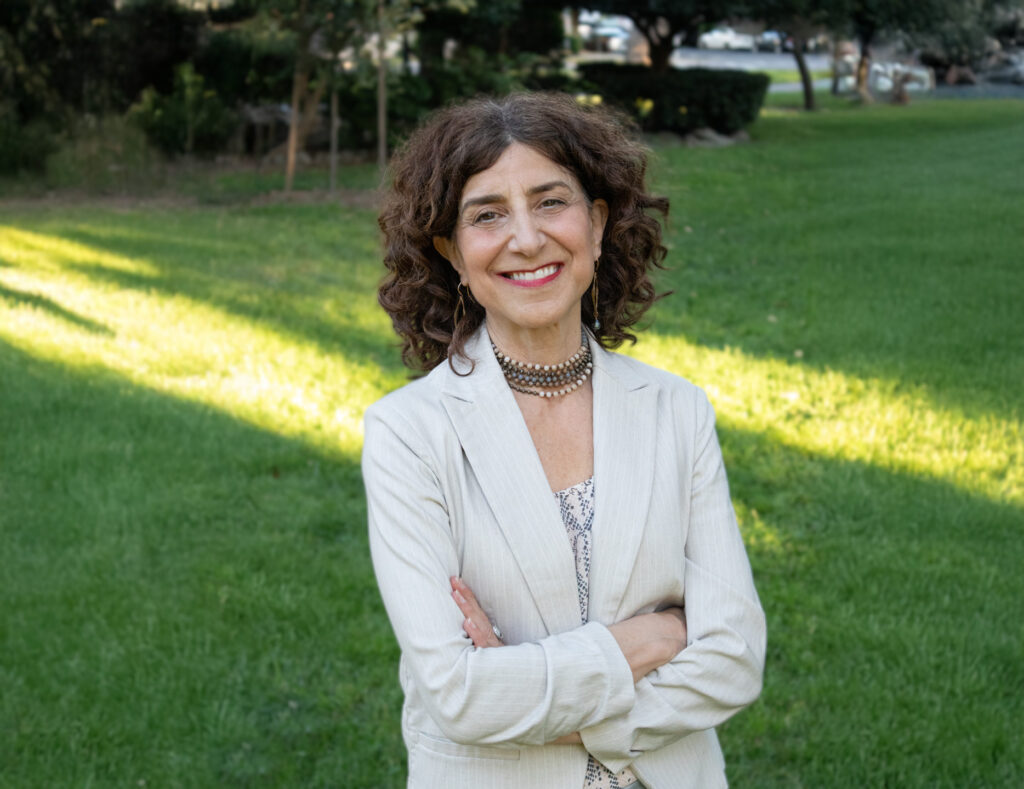
“The need for change is here. Higher education requires bold, student-centered models that improve the lives of credential earners and the communities where they live and work. The Coalition for the Common Good defines this model by uniting mission-driven universities across the country to boldly and concretely embody their shared commitment to democracy and the common good. Together, CCG members will give undergraduates opportunities to take courses across institutions, engage in community-based projects, learn from professors at different universities, and chart clear pathways into graduate study. Students benefit from expanded offerings and modalities. Institutions benefit from shared services. Communities benefit from new collaborations with faculty and students. Everyone wins.”
Rev. April Casperson is the Director of Enrollment Management at the Methodist Theological School in Ohio. She is an ordained deacon passionate about diversity and inclusion, vocational discernment, and organizations that recruit, educate and equip leaders for thoughtful, intentional ministry.
Paul Mutty retired from Starbucks Coffee Company in 2018. While at Starbucks, Paul served in several capacities, including senior vice president and interim general counsel.

Founded in 1852, our first president, politician, abolitionist, and education reformer, Horace Mann, sought to build an Antioch whose education inspired students to seek a more socially just world. Today’s Antioch remains firmly committed to nonsectarian, co-educational pathways to innovation and progress – as originally intended. In the 1920s, President Arthur E. Morgan advanced the Antioch method of empowerment further through the introduction of a structured curriculum of co-op learning – education in tandem with practice, in the community. Recognizable today in higher education as their “Experiential Learning” programs, it has long been integrated into every study as a critical learning structure.
In fact, educating to fuel positive, progressive change in the world encompasses all of Antioch’s methods, goals, and attitudes. The mission still inspires our intentional outreach to underserved communities with more effective and accessible methods of learning. We meet students where they are and measure success based on personal growth. By removing the traditional barriers to learning – we continue making a real difference.
As a result, Antioch alumni emerge unafraid to promote innovation in any discipline, conscious of context, and rooted in common dialogue. To us, doing nothing is not an option. Antioch University now spans coast-to-coast with online and low-residency locations, sharing progressive values aligned in a mutual mission to educate the next generation of those determined to win victories for humanity.

Since its founding in 1847, Otterbein has been committed to educating students others deemed undeserving of such a right. Otterbein was among the first institutions in the nation to have included women as faculty members and as students. Otterbein admitted students of color before the Civil War and welcomed Japanese-American students who had been sent to internment camps during World War II. Otterbein gave students a voice through its unique governance system beginning in the 1960s. Today, Otterbein continues to recognize the value and potential of every student. The University is committed to serving low-income, first generation, and today’s underserved students, which include new Americans, students from underfunded urban and rural school districts, members of the LGBTQIA+ community, and students of color.
The University’s founders, Lewis Davis and William Hanby, demonstrated fearless leadership when they imagined a place that would make education available to all genders and races. Otterbein University is a private university nationally recognized for its intentional blending of liberal arts and professional studies. It is respected for its pace-setting ideals, its ground-breaking integrative studies curriculum and its commitment to experiential education, its standing among the country’s first co-education institutions, and its commitment to serve the public good. Offering more than 60 undergraduate academic programs to its 2,000 students, Otterbein is located in picturesque Westerville, Ohio — just minutes away from downtown Columbus — and offers its students the perfect location to learn, grow, and benefit from access to internships and worldwide networking opportunities through its four-year READY career and professional preparation program.
We’re eager to connect. Please let us know how best to start a conversation about your interest in the CCG and our commitment to do good in the world.