
Dreams, Duty & Decisions
Military life comes with a unique set of challenges, especially for spouses. Frequent relocations, unpredictable schedules, and career disruptions are just part of the reality. But what often goes unspoken is the emotional and financial toll this lifestyle can take.
In May 2025, I had the honor of speaking at Military SpouseFest, a powerful gathering of spouses who show up every day with resilience, adaptability, and love. I opened my talk with a reminder that often gets buried under the weight of duty:
“As military spouses, we are planners, pivoters, providers, and sometimes we forget we’re people with purpose too.”
My message centered around three core themes: Dreams, Duty, and Decision.
First, I spoke to the dreams so many spouses put on pause. With every move and every unknown, dreaming can feel like a luxury. But I challenged that mindset. Dreaming isn’t a distraction; it’s direction. It’s how we stay tethered to our identity, even as everything around us shifts.
Next, I honored the very real duty that defines military family life. But I also spoke to the burnout that often comes with it. I offered a reframe: Duty doesn’t mean erasing yourself. It means making sure you are sustainable, too.
Finally, I invited the audience to decide that their goals matter too. I reminded them that self-care isn’t just bubble baths. It’s making the brave decision to stop postponing your dreams. Whether it’s enrolling in a course, taking time for yourself without guilt, or rewriting your resume for a future not yet clear, every small decision affirms your worth.
I closed with this truth:
“You are not ‘just’ a military spouse. You are a whole human being with visions, value, and voice.”
Because at the end of the day, your dreams deserve space. And you deserve to decide that they matter.
At the time of my speech, I did not include the fourth theme that I believe is an important conversation within the military community: divorce.
While the overall military divorce rate sits around 3.1%, it rises significantly for women service members, reaching nearly 7%, which is more than double the civilian average. Divorce can strip military spouses of housing, healthcare, and community. For many, it also means starting over with little financial security or professional identity.
That’s why education isn’t just about earning a degree. It’s a lifeline. For military spouses, enrolling in a program is often the first step toward independence. It’s a way to reclaim control over one’s future, whether they stay married or not. Education offers skills, credentials, and confidence—essential tools that build a stable foundation even when everything else feels uncertain.
At Military SpouseFest, we’re reminded that empowerment looks different for everyone. For some, it means thriving alongside their service members. For others, it means preparing for the possibility that their path may eventually diverge.
Education gives us options. It allows military spouses to plan, pivot, and protect their well-being regardless of their relationship status. It ensures that when life shifts, we’re not starting from scratch, but from a place of power.
Programs like those offered at Antioch University recognize the complexity of military life and center the needs of spouses who are ready to invest in themselves. For many of us, school isn’t just a classroom. It’s our exit plan, our safety net, and our path to freedom.
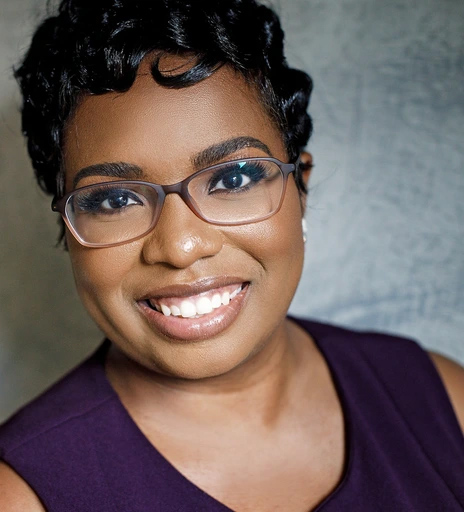
Dr. Cecily Moore is a counselor educator, licensed mental health counselor, and clinical supervisor. Her work explores the impact of the Strong Black Woman narrative on Black women’s mental health, professional identity, and relationship to work. Dr. Moore is a military spouse currently living in Jackson, Tennessee, with her partner and two children.
Dr. Moore serves as a faculty at Antioch University, where she trains future counselors through a culturally responsive, anti-oppressive lens. Her scholarship and teaching focus on Black women’s wellness, career counseling, and identity-based healing.